Source Wooden Toy Car for Educational Play, Gifts, and Retail
Source a wooden toy car from 30 verified listings. Compare specifications such as material, certifications, and MOQ to find suitable options for educational play, retail inventory, and gift procurement; compare the available evidence and request quotations based on your requirements.
Key considerations
Products List


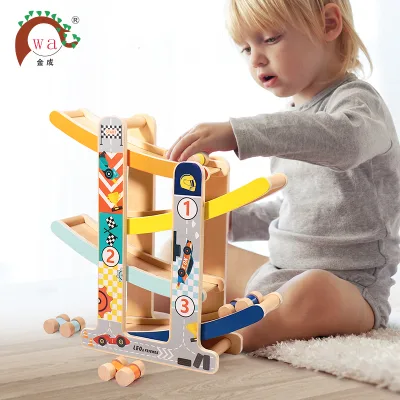
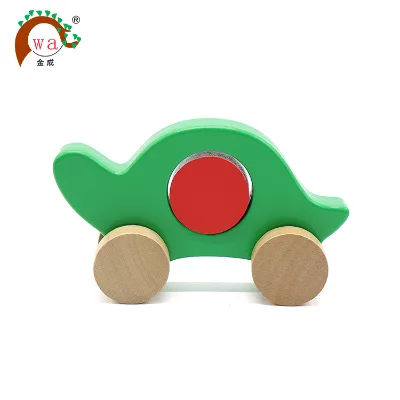


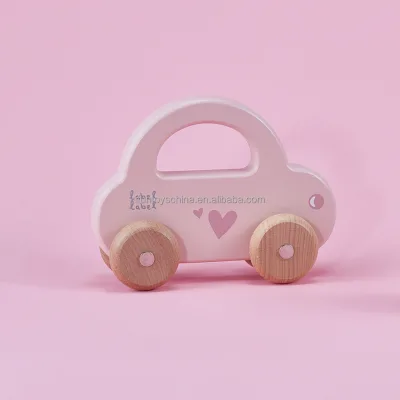


Comprehensive Sourcing Guide
Wooden Toy Car Sourcing Guide
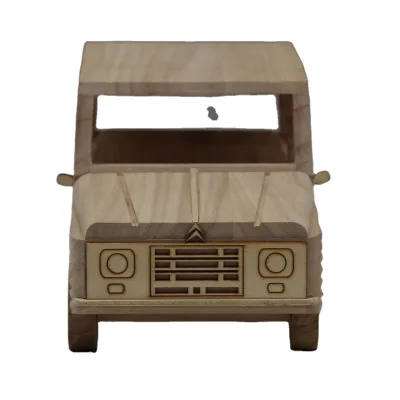
Sourcing wooden toy cars requires careful attention to material integrity and design intent, as the market offers distinct variations ranging from simple decorative items to complex educational tools. Buyers must distinguish between products labeled as "Pure Wooden Toys" and those incorporating plastic components, as the latter often serve different functional roles like racing simulations. The observed listings indicate a strong presence of carved beech wood items, which are typically marketed for their natural aesthetic and durability, yet some entries suggest mixed-material construction that may alter the product's classification and safety profile.
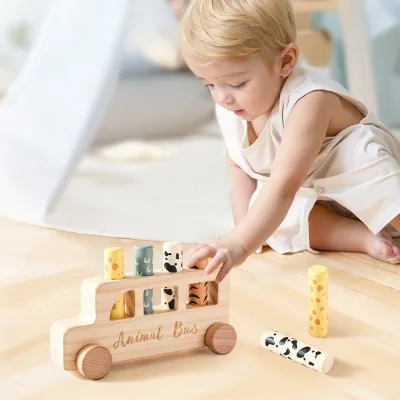
Procurement decisions should also account for the specific target demographic, as age recommendations vary significantly across the available inventory. While many items are explicitly designed for children aged 3 to 8 years, other listings target toddlers as young as 10 months or even younger, necessitating stricter scrutiny of small parts and finish quality. Understanding these demographic splits is critical for aligning product selection with safety regulations and ensuring the toy meets the developmental needs of the intended user group without compromising on structural integrity.
Product Scope and Observed Listing Signals
The product scope for wooden toy cars spans multiple categories, including decorative pieces, intellectual toys, and functional racing models, each demanding different verification steps. Listings frequently highlight customization options for shape and logo, allowing buyers to tailor products for specific branding or thematic needs such as "Love" or "European & American" styles. However, the presence of varied scales, from small to medium, and different packaging types, ranging from individual bags to palletized cartons, requires buyers to clearly define their logistical requirements before engaging with suppliers.
Observed listing signals reveal a diverse range of specifications, including single package sizes of 30x30x20 cm and weights around 0.7 kg, which influence shipping costs and storage planning. Buyers should note that while some products are sold as single items, others may have minimum order quantities as high as 2000 pieces, creating a barrier for small-scale procurement. The variation in selling units and packaging methods suggests that a standardized approach to ordering is unlikely, and each supplier interaction must be evaluated based on their specific capacity to meet volume and packaging constraints.
Technical Specifications to Verify
Technical verification must begin with the material composition, as the core listings specify beech wood but also include references to PP plastic types in certain models. Buyers need to confirm whether the final product is entirely wooden or a hybrid, as this distinction impacts the manufacturing technique, which is listed as "Carved" for some items but may differ for others. The shape is often customizable, yet the default configurations range from standard car forms to specific sizes like S, M, L, or one-size options, requiring precise communication to avoid receiving mismatched inventory.
Further technical due diligence involves checking the physical dimensions and weight specifications against the intended use case, as the single gross weight of 0.700 kg and package size of 30x30x20 cm are specific data points that may not apply to all variants. The color options, including "Champagne" and generic "Color" listings, indicate that visual consistency can vary between batches. Buyers should request physical samples to verify the finish quality and ensure that the "Eco-Friendly" and "Nontoxic" features claimed in the listings are consistent with the actual product received.
Compliance and Safety Documentation
Compliance verification is paramount when sourcing toys for children, as the listings cite multiple international safety standards including CE, EN71, ASTM F963, and ASTM F963-96a. Buyers must ensure that the specific certification documents provided by the supplier correspond to the exact model number and batch being ordered, as certifications are often tied to specific product configurations and manufacturing processes. The presence of these standards suggests a baseline of safety compliance, but the buyer must validate that the testing reports are current and issued by accredited laboratories to avoid regulatory risks in the destination market.
In addition to general safety standards, the age recommendations provided in the listings, such as "3-8 Years" or "10m+", must be rigorously cross-referenced with the product's physical design to ensure there are no choking hazards or structural failures. The "Nontoxic" feature claim requires specific chemical testing data to substantiate, particularly for products intended for younger children who may mouth the toy. Buyers should not rely solely on the supplier's assertion of compliance but must demand third-party test reports that explicitly cover the materials and finishes used in the specific wooden toy car model.
Cost Drivers and Commercial Terms
Cost drivers in this category are heavily influenced by the customization level, material quality, and order volume, with observed minimum order quantities ranging from 1 to 2000 pieces. The payment terms typically require a 30% deposit followed by a 70% balance, which is a standard practice but requires careful cash flow management for the buyer. Additionally, the delivery time of 25-30 days and sample time of 3-5 days must be factored into the overall project timeline, as delays in sample approval can significantly impact the final production schedule and market launch.
Shipping costs and logistics are another critical cost factor, with major carriers like DHL, UPS, FedEx, and TNT listed as options, each offering different speed and price points. The packaging method, whether it is a simple carton box or palletized outer cartons, directly affects the volumetric weight and shipping efficiency. Buyers should negotiate based on the total landed cost rather than just the unit price, considering that the single package size and weight can vary significantly between different product models, potentially altering the freight charges per unit.
Supplier Qualification and Quality Control
Supplier qualification should focus on verifying the origin of the goods, as the listings consistently indicate a place of origin in Shandong, China, a region known for its manufacturing capabilities. Buyers must assess the supplier's ability to maintain consistent quality across large orders, given the variation in product types from decorative items to educational toys. The availability of customization services, including logo printing and shape adjustments, indicates a flexible manufacturing process, but this flexibility must be balanced with strict quality control measures to ensure that every customized unit meets the agreed-upon specifications.
Quality control protocols should include pre-shipment inspections that verify the material integrity, finish quality, and adherence to safety standards. The "Carved" technique mentioned in the listings suggests a manual or semi-manual process that may introduce variability, making visual inspection and random sampling essential. Buyers should establish clear acceptance criteria for defects, such as rough edges or inconsistent coloring, and require the supplier to provide a quality assurance plan that outlines how these issues will be mitigated before the goods are shipped.
Long-Term Procurement Checks
Long-term procurement success depends on establishing a reliable supply chain that can consistently deliver products meeting safety and quality standards over time. Buyers should conduct periodic audits of the supplier's production facilities to ensure that the manufacturing processes remain stable and that the materials used, such as beech wood, are sourced sustainably and consistently. The "Eco-Friendly" claim requires ongoing verification to ensure that the supplier maintains their environmental commitments and does not substitute materials with cheaper, less safe alternatives as production scales up.
Building a long-term relationship also involves monitoring the supplier's ability to adapt to changing market demands and regulatory updates. As safety standards evolve, the supplier must demonstrate the capacity to update their products and certifications accordingly without disrupting the supply chain. Buyers should maintain open communication channels and regularly review performance metrics, such as on-time delivery rates and defect rates, to ensure that the partnership remains mutually beneficial and that the wooden toy cars continue to meet the expectations of the end consumers.
FAQs
What is the minimum order quantity for wooden toy cars?
The minimum order quantity is 1000 pieces for this specific product listing. However, observed listings show a broader range from 1 to 2000 units depending on the supplier. Buyers should verify the exact MOQ with the vendor before placing an order to ensure it meets their procurement needs.
Which certifications do these wooden toy cars hold?
These products hold CE, EN, ASTM, and EN71 certifications to ensure safety compliance. Some listings specifically mention ASTM F963-96a and EN71 standards for child safety. Buyers should request valid certification documents from the supplier to confirm that the specific batch meets the required international safety regulations.
How long does it take to deliver wooden toy cars?
The standard delivery time is 25 to 30 days after the deposit is paid. Sample preparation takes only 3 to 5 days for initial review. Shipping methods include DHL, UPS, FedEx, and TNT, which affect the final transit time to the destination country.
Can I customize the shape and logo of the toy cars?
Yes, customization is available for both the shape and the logo of the wooden toy cars. Buyers can request specific designs or branding to match their requirements. The product supports customized shapes and logos, allowing for unique branding opportunities for retailers and distributors.
What material is used to make these wooden toy cars?
The primary material used is wood, specifically beech wood for durability and safety. The products are carved and finished to be eco-friendly and nontoxic. This ensures the toys are safe for children aged 3 to 8 years while maintaining a high-quality European and American style.
What is the payment term for ordering wooden toy cars?
The standard payment term requires a 30% deposit followed by a 70% balance payment. This structure is common for international orders of this type. Buyers should confirm the specific payment schedule with the supplier to align with their financial planning and cash flow requirements.
Where are these wooden toy cars manufactured?
These products are manufactured in Shandong, China. The origin is clearly stated as China for all listed items. Buyers should consider this location when calculating shipping costs and lead times for international delivery to their target markets.